








1 - Build a clean foundation first
Keep your back straight, place your fingers on the home row, and focus on accuracy before speed. A stable base prevents bad habits that slow down progress.
If you want to type faster without looking at the keyboard, the goal is not to type hard, but to train smart and consistently.
Keep your back straight, place your fingers on the home row, and focus on accuracy before speed. A stable base prevents bad habits that slow down progress.
Practice 10 to 20 minutes a day. Short sessions done regularly beat long sessions done occasionally, and reduce fatigue.
Use one block for precision drills and one block for speed drills. This split helps you improve WPM while keeping your error rate under control.
Measure your speed and error rate weekly on the same format. Tracking trend over time is more useful than checking one isolated score.
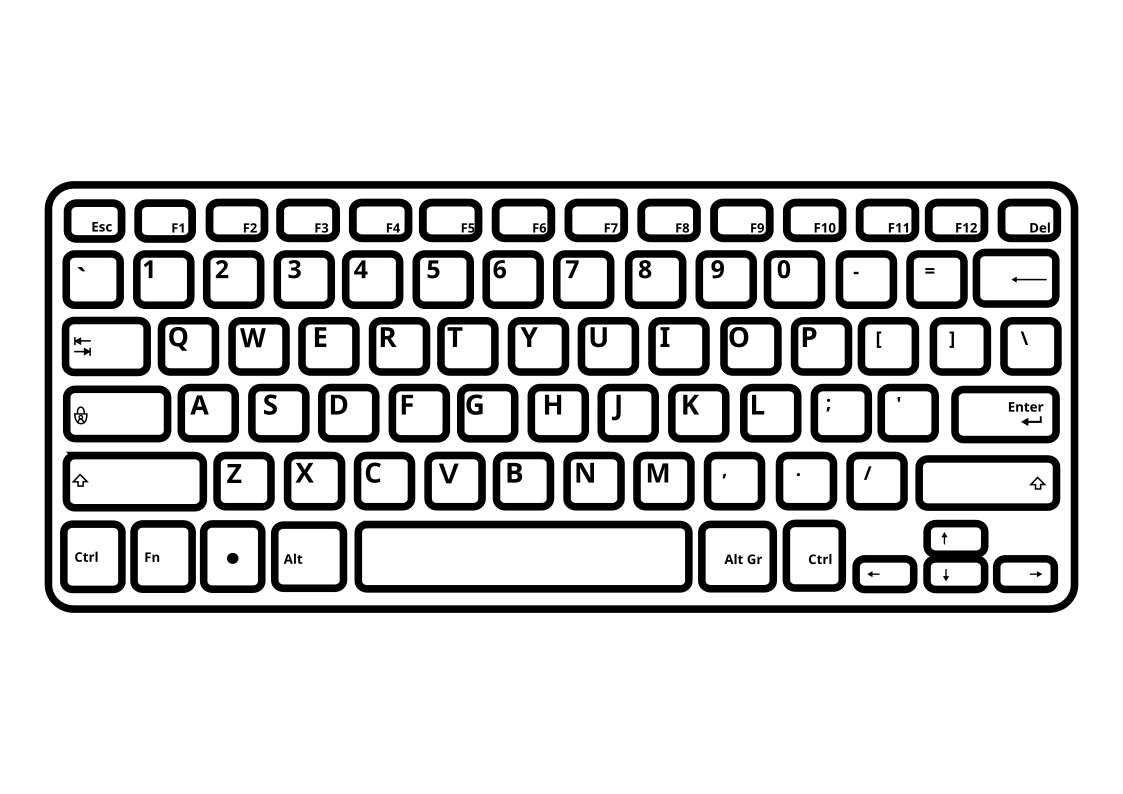
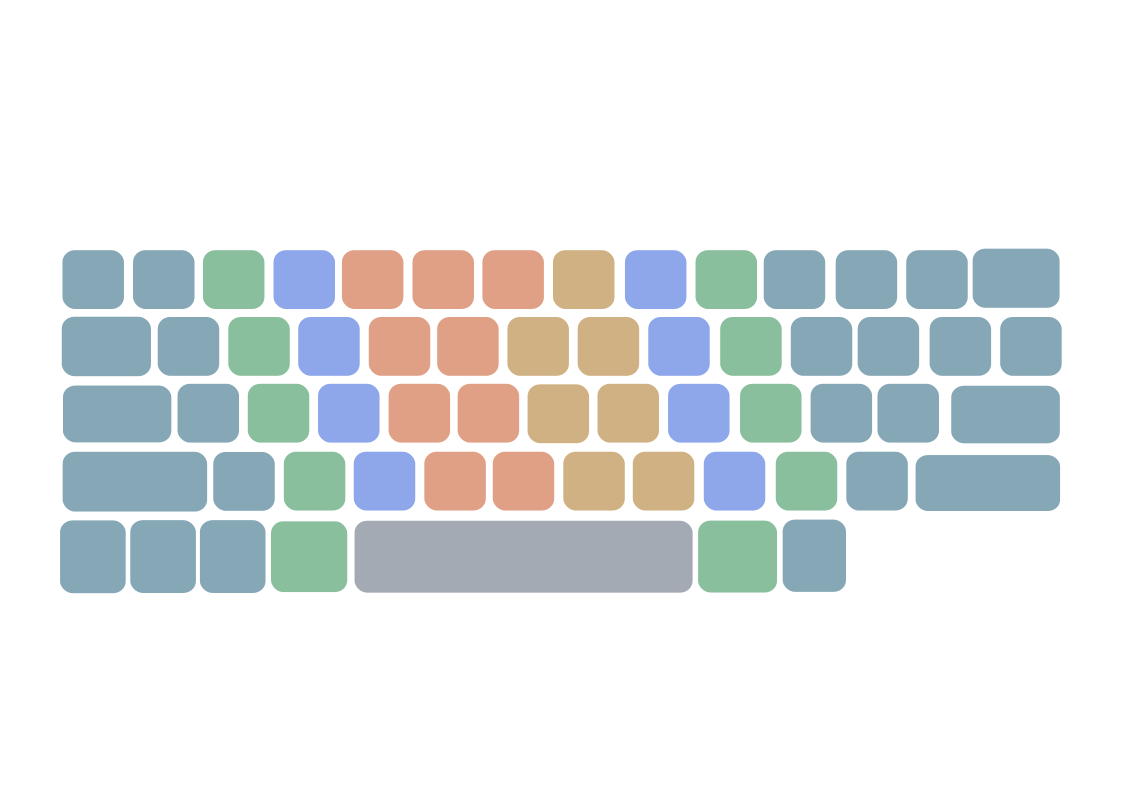
Use Tapotons courses and exercises to build solid habits, increase typing speed, and keep your progress measurable.
Key answers to build a reliable touch-typing routine.
With daily practice, many learners feel clear progress within a few weeks. Consistency matters more than long sessions.
No. Accuracy comes first. Speed grows naturally when finger placement and rhythm are stable.
A daily 10-20 minute routine is usually enough to progress, as long as it is regular.
Keep your back straight, shoulders relaxed, and wrists neutral. A stable posture reduces fatigue and helps you train consistently.
Slow down slightly, focus on finger placement, and increase speed only when your accuracy remains stable across sessions.